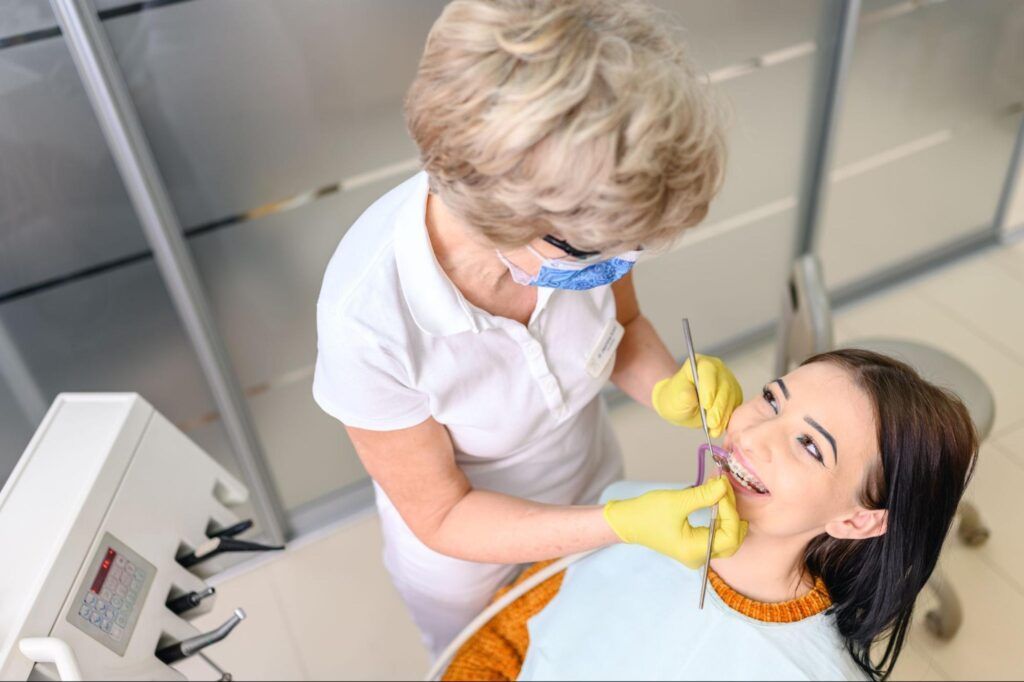
Achieving a straighter smile involves more than improving the appearance of teeth. Proper alignment can also support better oral health, improve bite function, and make everyday activities like chewing and speaking more comfortable. With several orthodontic treatment options available, choosing an approach that addresses individual dental needs is an important part of the process.
Traditional braces have remained a popular choice because of their ability to correct a wide range of alignment concerns. Their effectiveness, versatility, and predictable results make them a dependable option for children, teenagers, and adults seeking lasting improvements to their smiles.
Proven Effectiveness for Different Orthodontic Concerns
Correct a Wide Range of Alignment Issues
One of the biggest advantages of traditional braces is their ability to address many different dental alignment problems. Some patients have relatively minor concerns, such as small gaps or slightly crooked teeth, while others experience more complicated issues involving crowding, overlapping teeth, or significant bite misalignment. A comprehensive treatment approach can accommodate these different needs while working toward a healthier, more balanced smile.
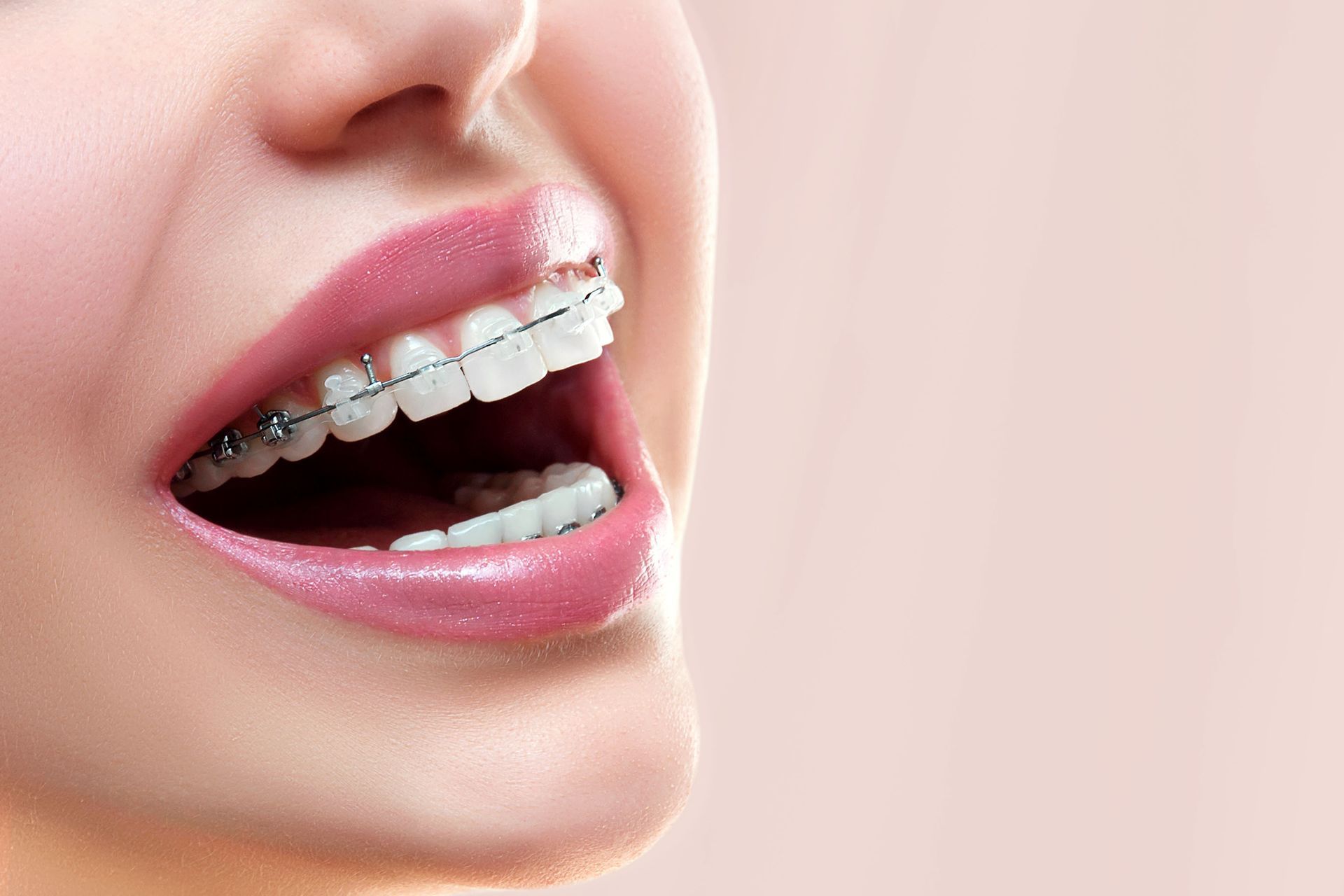
Metal brackets and connecting wires work together to apply controlled pressure to individual teeth. As the teeth gradually move, orthodontic professionals make adjustments to guide them into their intended positions. This level of control allows treatment providers to address specific alignment problems rather than simply improving the visible appearance of the front teeth. Whether a patient needs minor corrections or more extensive repositioning, this method offers considerable flexibility.
Improve Bite Alignment and Dental Function
Proper tooth alignment plays an important role in how the upper and lower teeth come together. When the bite is misaligned, patients may experience uneven pressure during chewing, difficulty closing their mouths comfortably, or excessive wear on certain teeth. Overbites, underbites, crossbites, and open bites are examples of conditions that can interfere with normal dental function.
Orthodontic treatment can gradually correct these problems by repositioning teeth and improving how the dental arches fit together. Braces provide consistent guidance throughout this process, helping address concerns that may affect both appearance and function. Depending on the severity of the misalignment, correcting the bite may also contribute to improved chewing efficiency and more balanced pressure distribution across the teeth.
Deliver Consistent Treatment Results
Another reason traditional orthodontic appliances remain widely used is their ability to provide continuous treatment. Because the brackets are attached to the teeth, patients do not need to remember to insert or remove their braces throughout the day. The system continues applying gentle pressure during everyday activities, including eating, speaking, and sleeping.
This fixed design can be particularly helpful for younger patients who might have difficulty following the daily requirements of removable orthodontic appliances. It also gives orthodontic professionals direct control over the treatment process during scheduled appointments. By monitoring tooth movement and making necessary adjustments, providers can keep treatment progressing toward established goals while responding to individual patient needs.
Practical Treatment Options for Patients of Different Ages
Support Orthodontic Needs During Childhood and Adolescence
Childhood and adolescence are common periods for orthodontic treatment because permanent teeth are developing and becoming established in the mouth. During these years, an orthodontist can identify alignment concerns and determine whether intervention would benefit a patient's developing smile. Addressing certain problems at an appropriate stage may help prevent more complicated issues later in life.
For teenagers, traditional orthodontic appliances offer a dependable way to correct crowding, spacing, and bite problems. Their durability makes them suitable for patients with active schedules, while their fixed design eliminates concerns about losing or forgetting removable trays. Although patients must follow dietary and oral hygiene recommendations, consistent professional supervision helps keep treatment on track.
Make Meaningful Improvements to Adult Smiles
Orthodontic care is not limited to younger patients. Adults can also benefit from correcting crooked teeth, closing gaps, and addressing bite problems that may have persisted since childhood. Others may notice that their teeth have gradually shifted over time, creating new spacing or crowding concerns. Regardless of age, improving alignment can support both dental function and personal confidence.
Adults who choose braces often appreciate the ability to address more involved orthodontic problems through a well-established treatment method. Fixed appliances can accommodate complex tooth movements that may not be suitable for every alternative. Treatment plans can also be tailored around professional responsibilities, personal schedules, and individual dental goals. With consistent appointments and appropriate care at home, adults can work toward a straighter smile without putting their other commitments on hold.
Provide a Predictable Treatment Timeline
Knowing what to expect from orthodontic treatment can make the decision to pursue a straighter smile easier. While the overall timeline depends on the complexity of the dental concerns being addressed, traditional treatment generally follows a structured process. Initial evaluations establish the patient's needs, and subsequent appointments allow the orthodontist to monitor progress and make adjustments as necessary.
According to WifiTalents, the typical treatment period for braces ranges from 18 to 24 months. However, individual timelines can vary depending on factors such as the severity of misalignment, the amount of tooth movement required, and how consistently patients follow their orthodontist's recommendations. Attending scheduled appointments and maintaining good oral hygiene can help support steady progress. Patients should discuss their anticipated treatment duration during an initial consultation to develop realistic expectations.
Long-Term Benefits of a Time-Tested Orthodontic Approach
Support Better Oral Hygiene After Treatment
Straight teeth can be easier to clean than crowded or overlapping teeth. When teeth sit too closely together or overlap, toothbrush bristles and dental floss may have difficulty reaching certain surfaces. These areas can become more challenging to maintain, potentially allowing plaque and food particles to accumulate. Improving alignment can create more accessible spaces for daily brushing and flossing.
A properly aligned smile can therefore contribute to a more manageable oral hygiene routine after orthodontic treatment is complete. Patients must still brush thoroughly, floss daily, and attend regular dental examinations, but improved tooth positioning may make these responsibilities easier. Maintaining healthy habits throughout treatment and afterward is essential for protecting the results and supporting long-term dental wellness.
Choose a Durable and Cost-Effective Solution
Traditional metal orthodontic appliances are known for their durability. Their sturdy brackets and wires are designed to withstand the everyday demands of treatment while providing reliable control over tooth movement. Although patients must avoid certain hard or sticky foods to prevent damage, the appliances offer a dependable approach for addressing a broad range of orthodontic concerns.
Cost is another consideration when comparing treatment options. Metal braces are often among the more affordable choices for patients who need comprehensive orthodontic correction. Their ability to address complex alignment issues can also make them a practical investment for individuals who want to improve several aspects of their smiles through one treatment plan. Insurance coverage and available payment arrangements may further influence the overall affordability of care.
Maintain Results With Proper Retention
Completing active orthodontic treatment is an important milestone, but maintaining the results requires consistent attention. Teeth can gradually shift after being repositioned because the surrounding bone and supporting tissues need time to stabilize. Without appropriate retention, some patients may experience changes in alignment that affect the appearance and function of their smiles.
Orthodontists typically recommend retainers after treatment to help keep teeth in their corrected positions. Depending on individual needs, patients may receive removable or fixed retainers and specific instructions for using them. Following these recommendations is essential for preserving the improvements achieved through
braces. Routine dental visits and good oral hygiene also contribute to maintaining a healthy smile long after active treatment ends.
Traditional orthodontic treatment continues to be a dependable choice for patients seeking meaningful improvements in tooth alignment, bite function, and overall oral health. Its versatility, durability, and ability to address complex dental concerns make it a valuable option across different age groups. With an individualized treatment plan and consistent professional guidance, patients can achieve a straighter, healthier smile and maintain their results through proper long-term care.
Contact Upbeat Orthodontics today to schedule a consultation and learn how we can help you achieve a healthier, straighter smile.